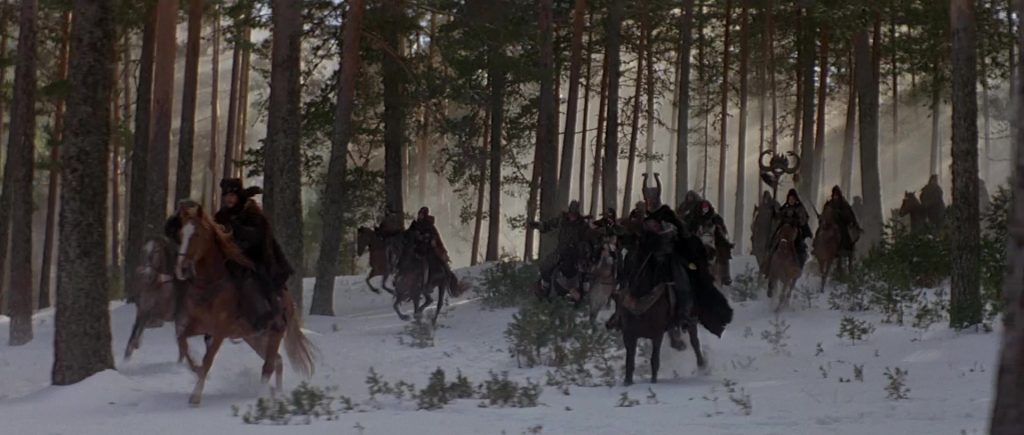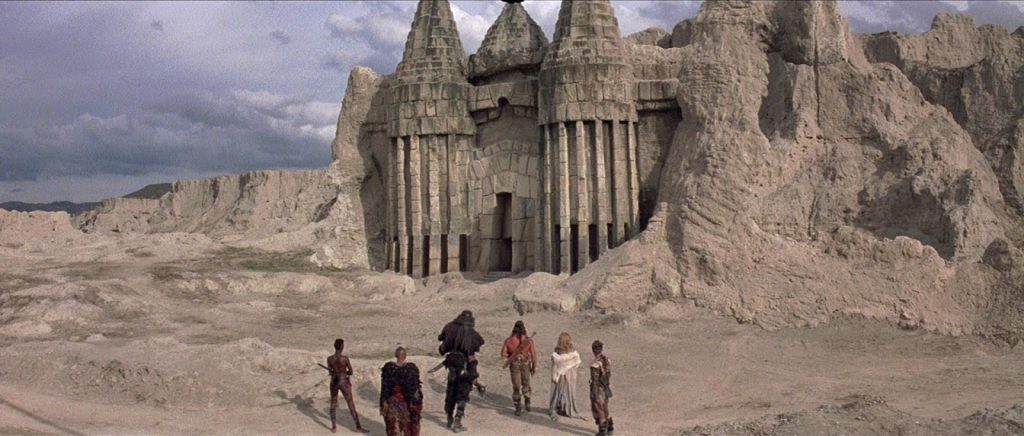
I was wondering how to make game sessions feel like a Conan adventure. I have covered some of the basic themes before but how does a session work with random encounters? Do you have to structure the adventure to the nth degree or do random encounters have a place? I don’t remember Conan wandering into 1d6 Orcs.
So I checked out the Conan stories and came up with this:
| Story | Type | Type | Summary |
| The Phoenix on the Sword | Antagonists | People target Conan as King. | |
| The Scarlet Citadel | Antagonists | Destination | Targeted as king, trapped and escapes. |
| The Tower of the Elephant | Destination | Rob a wizards tower! | |
| Black Colossus | Random encounter – person | Antagonists | Offered lead of army by princess. Then has to defeat attackers. |
| The Slithering Shadow | Random encounter – place | Destination | Travelling lost through desert, find city of past civilisation. |
| The Pool of the Black One | Random encounter – people | Destination | Escapes onto ship. Ship goes looking for lost city. Not sure if place they find is the destination. |
| Rogues in the House | Scenario | Destination | Jailed. Offered freedom in return for assassination. |
| Iron Shadows in the Moon | Random encounter – person | Random encounter – place | Escaping slaughter of army, meets princess. Heads north in boat and finds island. Temple on island. Pirate ship arrives. |
| Queen of the Black Coast | Random encounter – people | Destination | Escapes onto ship. Taken over by pirates. Joins them. After pirating, goes to find ruin. |
| The Devil in Iron | Antagonists | Destination | Conan is raiding border. Lure him to island to rescue princess. Ruins on island have become real as ancient sorcerer revived. |
| The People of the Black Circle | Antagonists | Destination | Conan is raiding border. Sneaks into leader’s room and kidnaps princess. Meets people. |
| A Witch Shall Be Born | Antagonists | Destination | Conan as captain of guard is turned on and crucified by witch. Seeks vengeance. |
| Jewels of Gwahlur | Destination | Antagonists | Goes to jungle searching for lost city to steal jewels. |
| Beyond the Black River | Antagonists | Destination | Killing Picts, meets settler; go to village of Gwawela to kill sorcerer, try to stop major attack. |
| Shadows in Zamboula | Destination | Random encounter – person | Rents trapped room in cheap inn, attacked by cannibals, meets mistress of prince, go to get antidote to prince’s potion together. |
| The Hour of the Dragon | Antagonists | Destination | Conan is king, gets struck down by sorcerer, gets captured, escapes, meets witch, rescues countess, goes to find magic jewel, gets shanghaied, goes to Khemi, gets jewel, takes back kingdom. |
| Red Nails | Random encounter – place | Conan follows Valeria into unknown forests, attacked by giant reptile, go to nearby unknown city, | |
| Gods of the North | Random encounter – monster | Sole survivor of battle, meets god’s daughter who tries to lure him to his death. | |
| The God in the Bowl | Scenario | Random encounter – monster | Conan caught in act of robbing temple, artifact has been sent with deadly monster in it. |
| The Black Stranger | Random encounter – place | Random encounter – people | After being captured, traded and escaping he goes to strange cave; finds noble on shore, gets involved. |
| The Vale of Lost Women | Random encounter – person | Random encounter – place | Meets princess while on diplomatic negotiation between African tribes, says will rescue her, follows her into magical vale where she is being sacrificed to flying monster, wounds it and rescues her. |
So what is that? I have tried to look at each story and describe what kind of adventure it is, along with a basic summary of the plot.
The adventure types by number are:
- Destination – 13
- Antagonists – 9
- Random encounter – place 5
- Random encounter – person – 4
- Random encounter – people 3
- Random encounter – monster 2
- Scenario 2
Definitions
Destination: Conan specifically tries to go somewhere. Sometimes the story starts off with Conan trying to go somewhere, but quite often something happens at the start that gives Conan a destination.
Antagonists: Someone or some group is specifically pitted against Conan.
Random encounter – place: Conan stumbles onto some strange place far from known lands.
Random encounter – person: Conan meets someone interesting and shenannigans ensue. Three times it’s a human princess, once a giantess princess (monster?) and once the mistress of a prince. He is constantly bumping into royalty.
Random encounter – people: A group of people enter into Conan’s life. Twice this is pirates and once it is people starting a new life in a new land (who then get attacked by pirates).
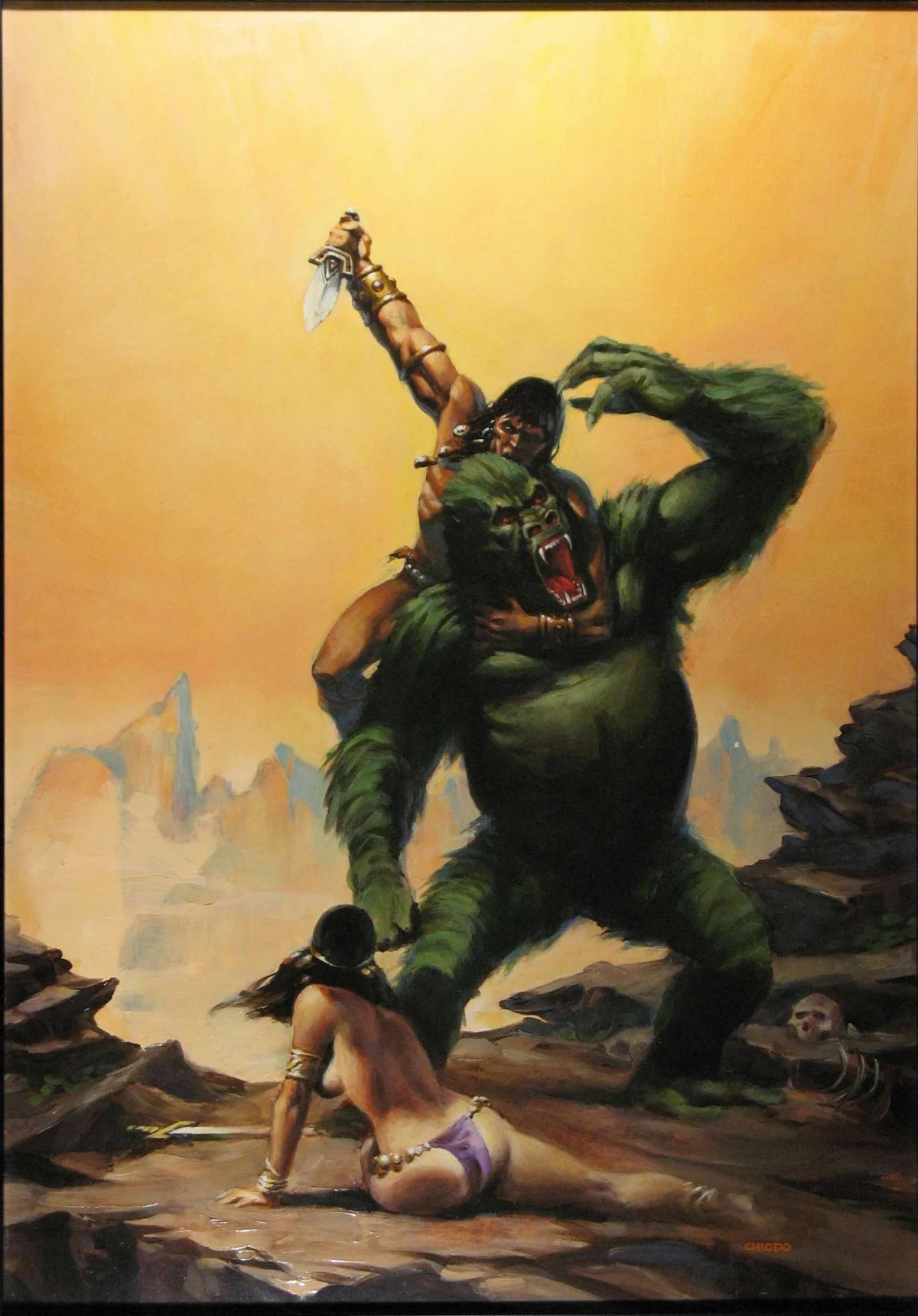
Random encounter – monster: He encounters a weird creature. It’s interesting that this doesn’t seem to happen to him very often. Mostly he interacts with other humans. This makes the monsters stranger when they appear.
Scenario: The final one: someone makes Conan an offer. This one is most like a published scenario. It could go into the Antogonist group potentially.
So how could we run our game to be more like this?
Destination
There are a couple of things we can do here. The first is having specific adventure locations created with hints dropped to them throughout the game. It could be the classic rumour tables or they could take other forms like strange treasure that a historian can evaluate or even maps or diaries.
The other is to know where your antagonists live. Have their home mapped out and ready to run.
Antagonists
For antagonists you can have factions in your campaign, and crucially, know how they interact with other factions in an antagonistic way. e.g. Picts raid, man-eaters kidnap and eat people.
Next, if your players get power, work out if any factions want to try and take it away from them.
Random encounter – person
Have encounter tables that have specific people on them. Not just any old person, but powerful people who need help, or will otherwise make things happen.
Random encounter – place
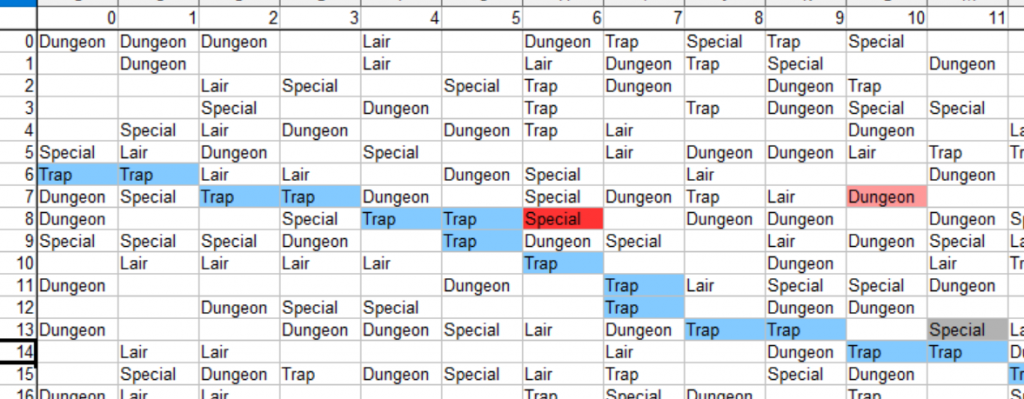
Have some places on your encounter tables. The rules Cyclopedia has an entry for castles where you randomly roll up a castle and its occupants if encountered. What interesting places are in your lands?
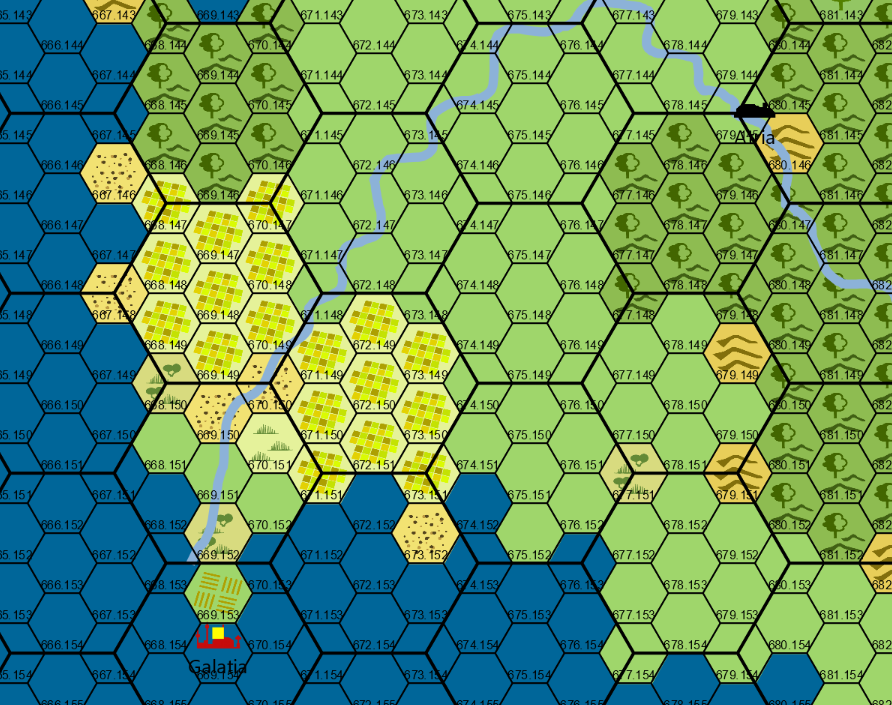
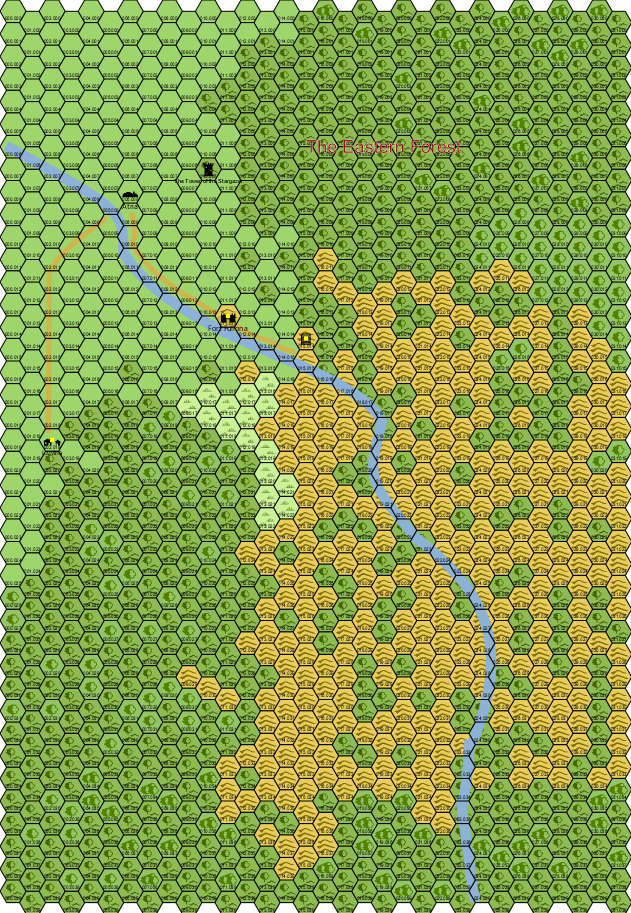
It could also be keyed places on your hex map. It seems that there would be more empty space on a Conan hex map than a normal D&D one.
Your players also have to be venturing into the unknown.
Random encounter – people
These are the classic groups of people appearing on monster tables – pirates, bandits, etc. They could be part of a faction as well.
Random encounter – monster
When these happen, make them strange. James Raggi talks about having monsters be unique. It doesn’t have to be like that necessarily, Conan is familiar with white apes when others don’t know about them, but they can be from far away.
Scenario
If your PCs find themselves in a situation, don’t be afraid to think of something cool to happen to them. Maybe related to the factions who are around. Also, it’s great if your PCs are captured by their opponents sometimes. Give people reasons for not wanting to kill them right away.
So we have:
- Rumour tables of strange places and treasure.
- Factions who actively interact with other factions.
- Faction bases.
- Factions who want something the PCs have.
- Powerful, or influential, people on the encounter tables who are out and about and have agendas.
- Strange locations on your hex map.
- Location encounters where you can roll up a location.
- Monsters are rare and mostly unique.